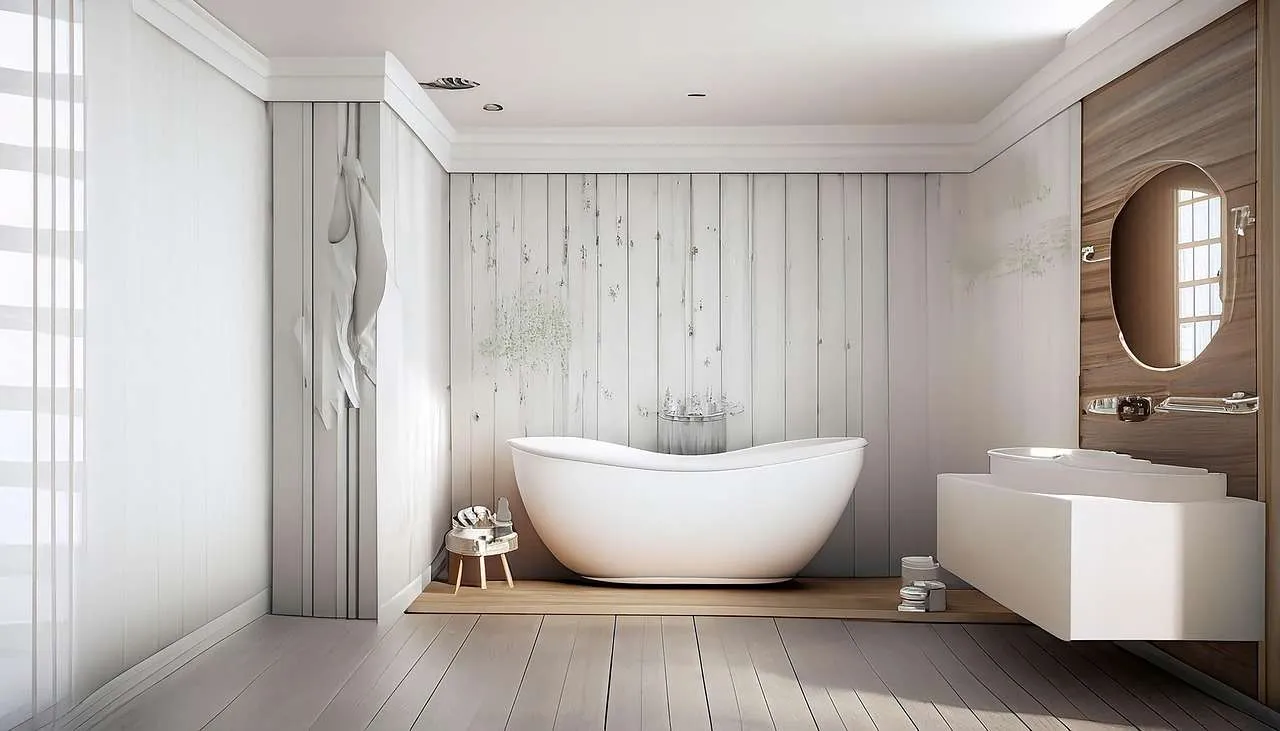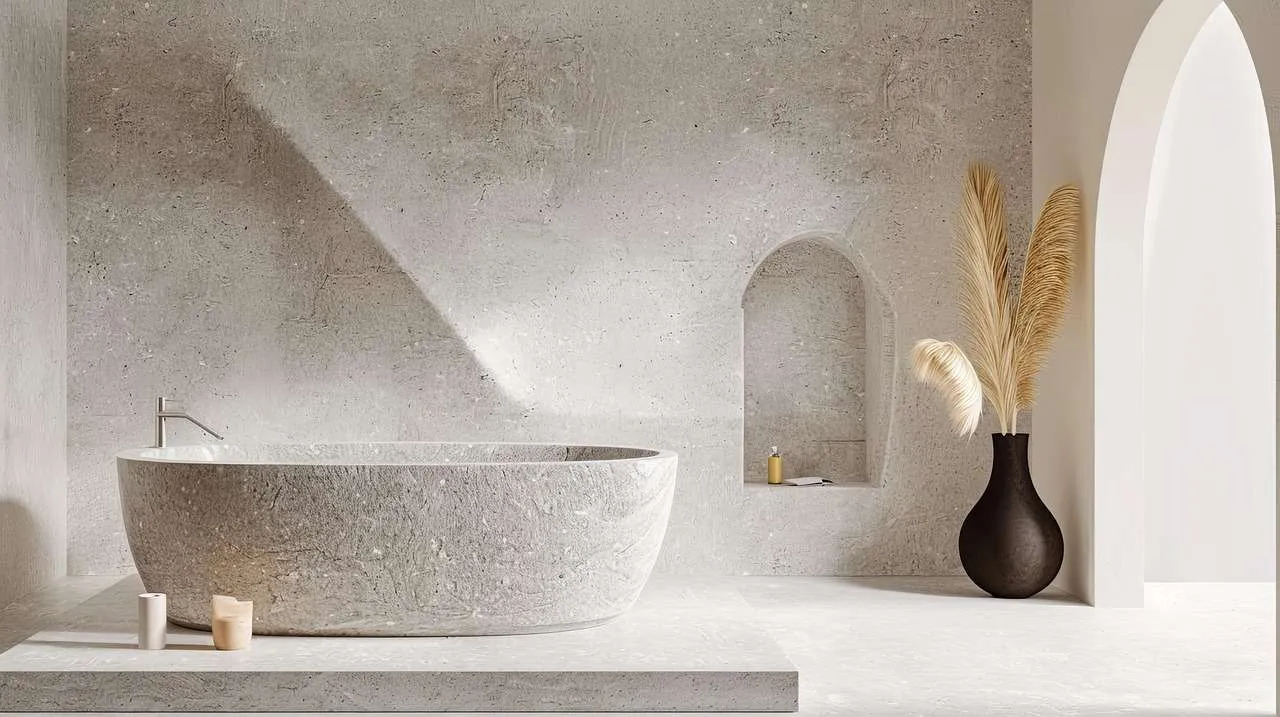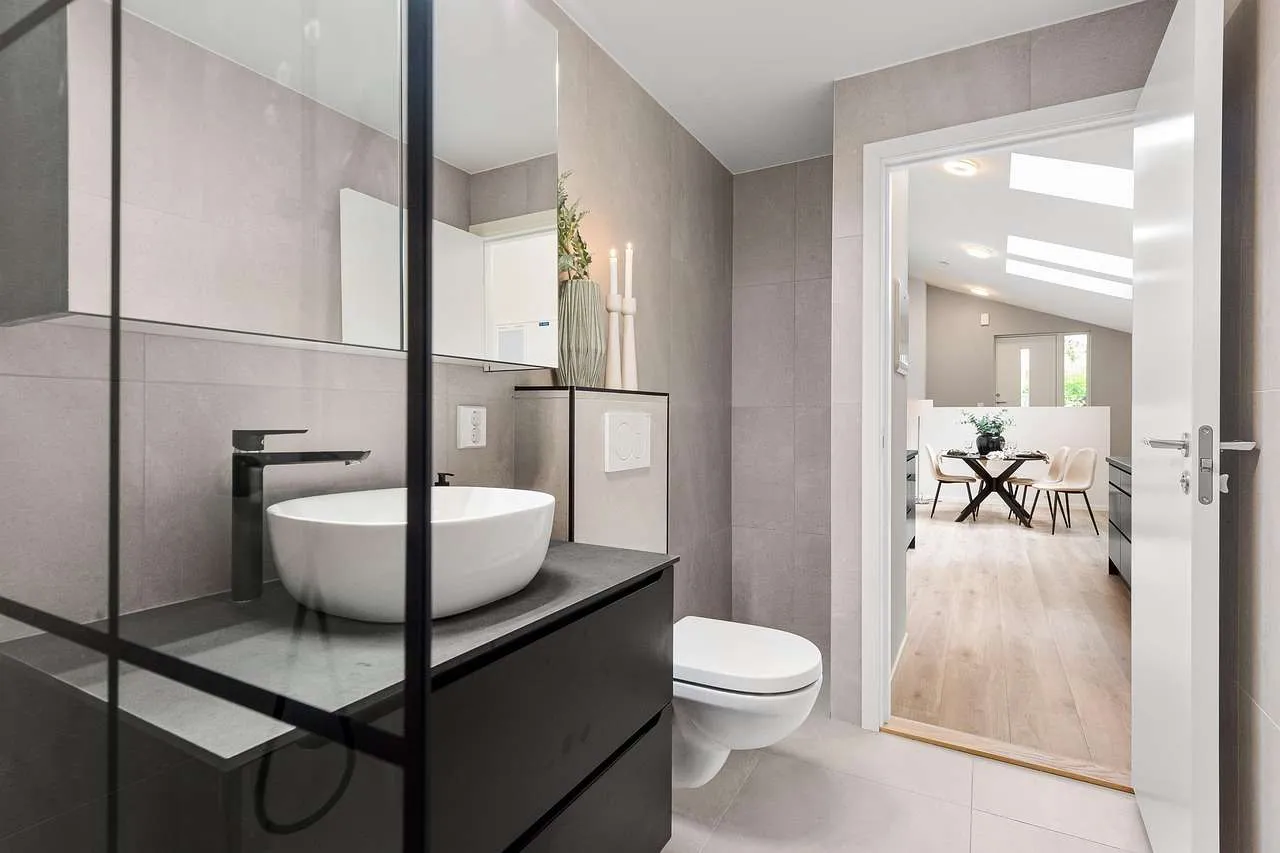
Bathroom decor is more than choosing a pretty towel. It blends color, texture, lighting, and durable materials to create a space that feels calm, functional, and resilient to moisture. A well-planned bathroom decor also communicates your personal style while maintaining resale appeal and safety.
Key principles of bathroom decor
Successful bathroom decor starts with a clear plan that matches the space, budget, and lifestyle. Focus on three pillars: color and materials, lighting, and storage. In addition, pay attention to pattern, scale, and how textures interact in a humid environment to avoid visual clutter.
Color and materials
Opt for moisture-resistant finishes such as porcelain or ceramic tile, quartz countertops, and solid-surface vanity tops. Light, neutral palettes widen small rooms, while richer tones create contrast and warmth. Introduce texture with matte finishes, natural wood, or woven baskets. The right mix of high-gloss and matte surfaces helps reflect light while concealing water marks and fingerprints.
Lighting and ambiance
Design a layered lighting plan: ambient ceiling light, task lighting around the mirror, and subtle accent lighting for mood. For safety, ensure bright, glare-free task lighting and non-slip floor surfaces. Consider dimmable fixtures to shift from bright routines to a relaxing evening bath, and use mirror placement to amplify light throughout the room.
Storage and layout
Built-in niches, recessed medicine cabinets, and vanity drawers keep surfaces clear. Plan a layout that preserves floor space and allows easy access to towels, toiletries, and cleaning supplies. Floating vanities can make smaller rooms feel more open, while deeper drawers help hide clutter. Include open shelving for daily items and decorative baskets for a balanced look.
Popular bathroom decor styles
Understanding styles helps you select compatible fixtures, tiles, and accents. Here are five common paths that balance aesthetics and practicality.
Modern Minimalist
- Palette: cool neutrals, whites, and blacks
- Key elements: clean lines, wall-hung vanity, frameless mirrors
- Pros: uncluttered, easy to clean
- Cons: can feel cold without warmth from textures
To avoid a sterile feel, add warmth with wood accents, tactile towels, and a small plant.
Coastal and Fresh
- Palette: whites, soft blues, sandy neutrals
- Key elements: light wood, wicker, open shelving
- Pros: airy, timeless coastal vibe
- Cons: colors require maintenance to stay fresh
Incorporate driftwood tones and sea-glass accents to evoke a breezy, beachy mood without overpowering the space.
Industrial-Inspired
- Palette: charcoal, concrete gray, steel
- Key elements: metal fixtures, exposed bulbs, dark stone
- Pros: durable and bold
- Cons: can feel heavy; balance with warm textures
soften the look with warm wood vanity tops or warm brass fixtures and plush textiles.
Spa-Like Retreat
- Palette: warm whites, taupe, natural stone
- Key elements: rainfall shower, bench, soft towels
- Pros: relaxing atmosphere, high perceived value
- Cons: often higher initial cost
Average-sized bathrooms benefit from generous tile work and a bench or seating area for a true spa experience.
Vintage and Rustic
- Palette: creamy whites, antique brass, weathered wood
- Key elements: porcelain sink, paneled vanity, brass fixtures
- Pros: character and charm
- Cons: durability varies with reclaimed materials
Mix modern mechanics with vintage finishes for a timeless, lived-in feel that still reads chic.
Materials, finishes, and durability
Choose materials designed for humidity and frequent cleaning. Porcelain, ceramic, and glass tiles resist staining and mildew, while quartz countertops are non-porous and easy to maintain. Fixtures in brushed nickel or matte black resist water spots, and anti-slip floor finishes improve safety. Always verify warranty terms for moisture exposure and installation requirements.
Planning on a budget
Start with a mood board, measure twice, and prioritize investments: waterproof flooring and a sturdy vanity first, then lighting and storage. Consider factory-direct or refurbished fixtures to stretch your budget without sacrificing quality. A phased approach—core renovations first, decorative updates later—helps manage costs over time.
Maintenance and care
Regular cleaning with non-abrasive products preserves finishes. Seal grout annually, wipe mirrors to prevent streaks, and refresh caulking when gaps appear. Create a simple weekly routine: quick wipe-downs, a monthly grout seal, and seasonal checks on seals around sinks and showers to prevent leaks.
Bathroom decor styles comparison
| Style | Palette | Key Elements | Pros | Cons |
|---|---|---|---|---|
| Modern Minimalist | Neutral whites, blacks | Wall-hung vanity, frameless mirror | Clutter-free, easy to clean | Can feel cold without textures |
| Coastal | White, blue, beige | Light wood, wicker, open shelves | Airy and bright | Colors require upkeep |
| Industrial | Charcoal, steel | Metal fixtures, concrete elements | Durable, bold | May feel heavy; needs warmth |
| Spa-Like | Warm neutrals | Stone, soft lighting, bench | Relaxing, premium feel | Higher cost |
| Rustic | Cream, wood tones | Brass fixtures, paneled vanity | Character, warmth | Maintenance varies |
Conclusion
Summary: A thoughtful bathroom decor plan blends color, texture, lighting, and durable materials. Start with a clear palette, add layers of lighting, emphasize smart storage, and choose moisture-friendly finishes. Align style with budget and maintenance needs to create a space that is both beautiful and built to last.